
ATAK for events and security
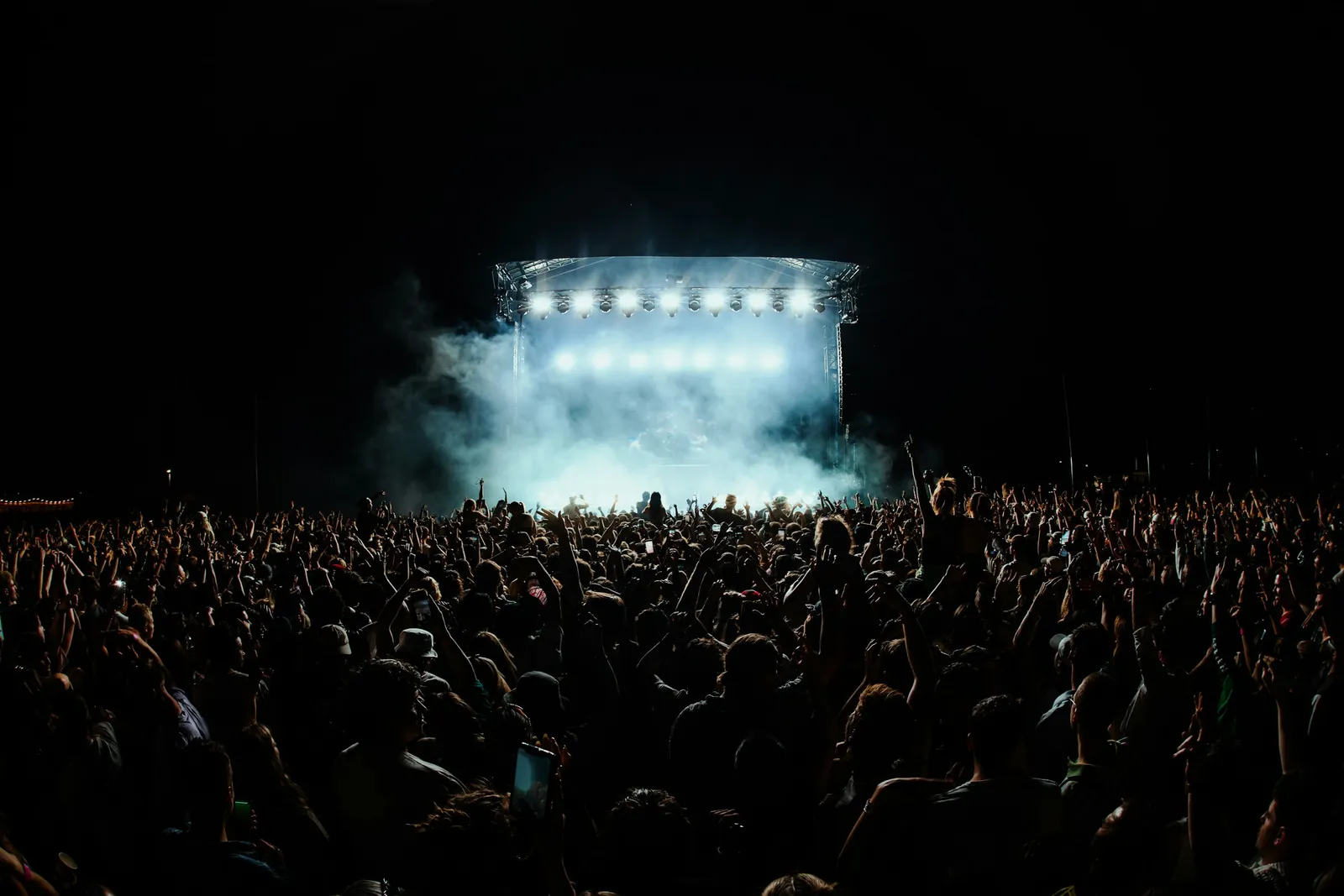
Stewards, first aid teams and event control see the same map, at festivals, city fairs and sporting events alike. An incident at the entrance shows up with location and photo, and event control instantly sees who is closest.
Event control
All posts on one map
Before the event you draw entrances, barriers, emergency routes and posts on the map and share the plan as a data package. During the event, your staff report their positions and incidents straight onto the map.
- Positions of stewards, first aid teams and patrols
- Incidents with photo, location and time
- Chat for everyone, for sectors or for individual staff
- Camera feeds in event control’s picture
Typical scenarios
Stewarding
Entry, the stage area and barriers are sectors on the map. If a queue builds up at one entrance, event control sends staff from a quieter sector.
- Smartphones
- Chat
- Groups
First aid posts
Patient reports appear where they happen. The medical lead sees which teams are free and sends the nearest one.
- TAK Server
- Smartphones
Course marshals
At running and cycling races, marshals are posted along the course. The lead and sweep vehicles are visible on the map, and reports come in with an exact location.
- Mesh radio
- Offline maps
Security
Close protection
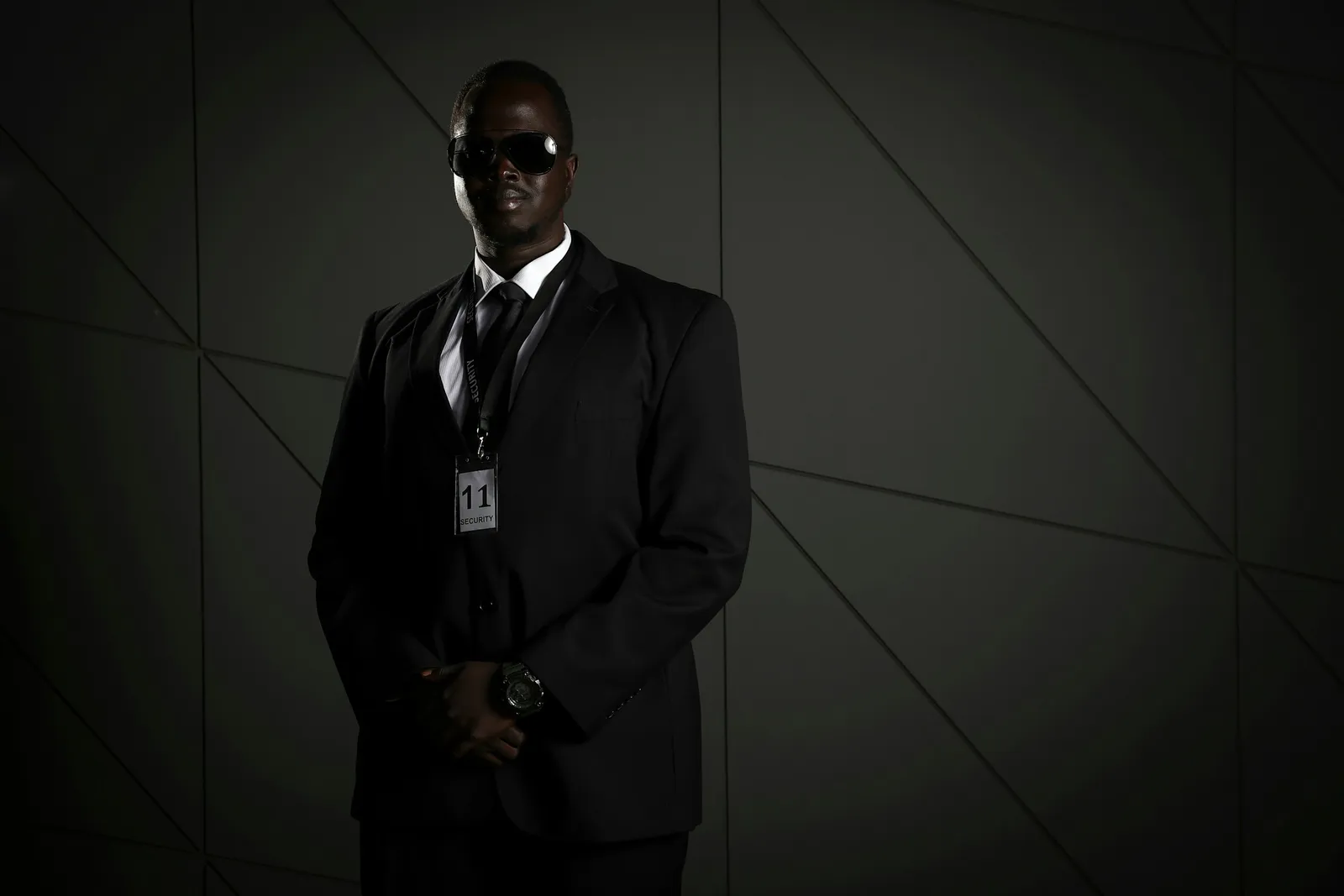
In close protection, the team must always know where the principal, the officers and the vehicles are. ATAK shows all of them on one map, along with the planned route, alternative routes and safe havens such as hospitals or police stations.
- Team and vehicles with real-time positions
- Routes and safe havens prepared in advance as a data package
- Suspicious observations with photo and location instead of long radio calls
- Data on your own server
Interoperability
Event organizer and police share one picture
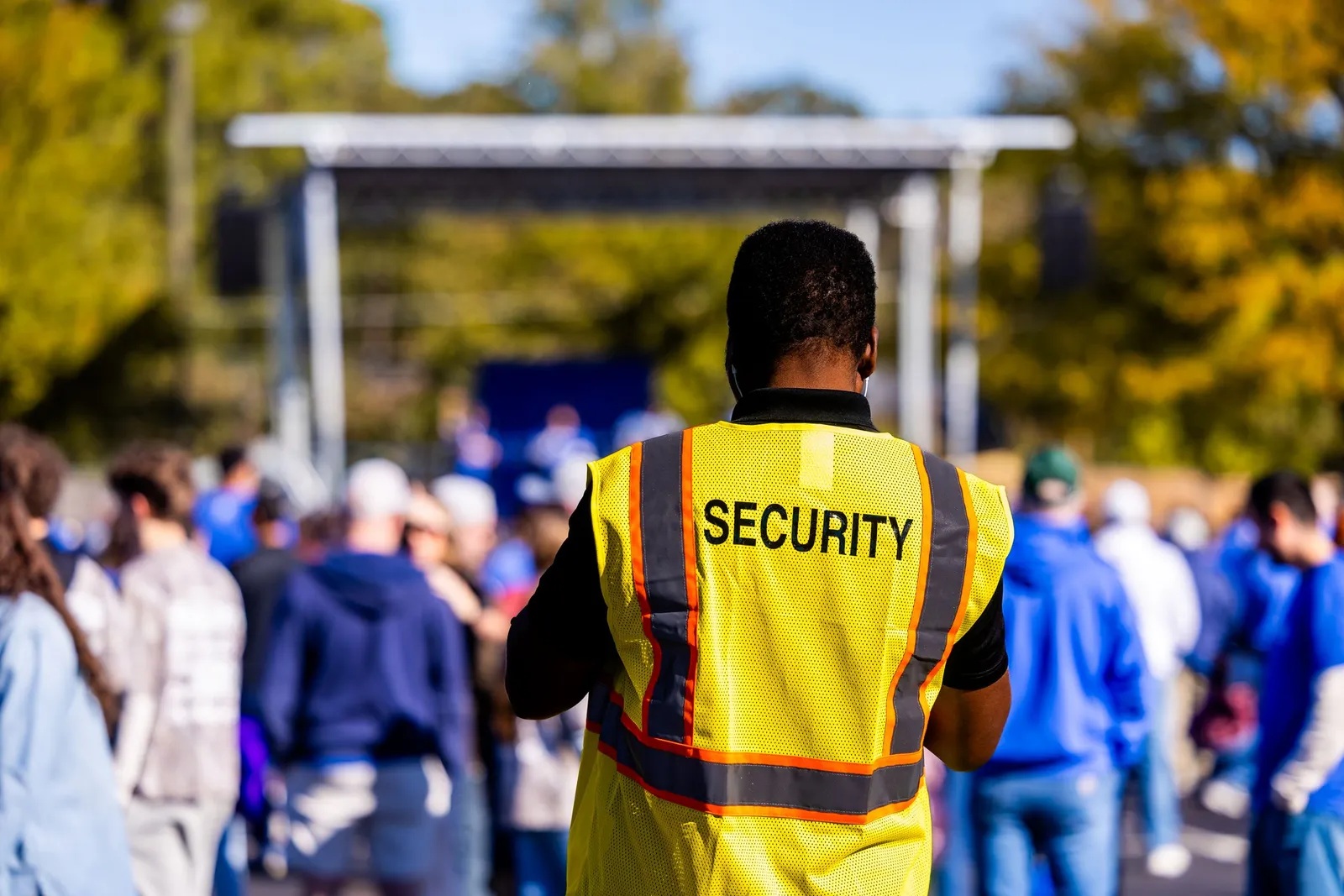
If the event organizer and the police each run a TAK Server, the two servers are connected via federation. When an incident occurs, the police immediately see the organizer’s posts, barriers, escape routes and reported incidents. Nobody has to hand over maps manually, and each side decides what it shares.
In the United States, agencies already work together through TAK at major events. At Super Bowl LIV in Miami in 2020, units of U.S. Customs and Border Protection and the U.S. Coast Guard worked with the Miami-Dade Police Department through TAK. Several security agencies also used TAK at the 2017 presidential inauguration and at meetings of the UN General Assembly.
Sources: U.S. Department of Homeland Security (DHS S&T), 5 May 2020 · DHS S&T, TAK fact sheet, 01/2020
How to get started
For a security company or an event organizer with its own team, a server and smartphones for the posts are enough. A one-day workshop before the event is a good way to get to know the system. What it costs depends on the scope: Costs and process
Frequently asked questions
Is your question missing? Call us or write to us.
What happens when the mobile network is overloaded?
The maps are stored offline on the devices. Positions, markers and short messages keep flowing over EU-compliant, CE-marked mesh radios on 868 MHz. Photos and video need a data connection.
Do all our staff need their own device?
No. You decide who carries a device, for example sector leads, first aid teams and patrols. You reach stewards without a device over the radio as usual.
Can the police and fire service see the picture?
Yes, if you want them to. They get access for the duration of the event, or you connect your servers through federation. You use groups to decide what the authorities see.
Where is our staff data stored?
On your own TAK Server, in a data center in Germany or on your own infrastructure. If we run the server, we sign a data processing agreement.
Related articles
- TAK at large events: Festivals, races and sporting events in the US
- Mesh radios for ATAK compared: Which devices are legal in Europe and what they can do
- Video streaming in the TAK ecosystem: Bringing drones, body cams and fixed cameras into the picture
Talk to our experts
Tell us briefly who you are and what you are planning. We will get back to you with a suggested appointment. The first consultation is free.
Phone